Twenty-four colonies went up to Keld Top on Tuesday
The moor is a fortnight behind last year. Notes on moving colonies up, what we take off first, and why heather cannot be spun out of the comb.
Twenty-four colonies went up to Keld Top on Tuesday night, on the trailer, entrances stuffed at dusk and opened at the top before it got light. The ling is showing colour on the south side of the ridge and nowhere else yet, so this is about a fortnight behind last year.
What comes off first
Nothing goes onto the moor with honey already in it. Every super came off at Low Leys the week before and the colonies went up on drawn comb only — otherwise you get bramble and clover mixed into the heather crop and it is no longer a heather crop.
What we check on the night
- Brood pattern good, queen seen or eggs seen in the last seven days
- All supers off, one empty drawn super on
- Entrance blocks in after dusk, not before, or you lose the foragers
- Straps on the boxes and not just on the roof
- Water within reach at the new site, because there is none on the top
Why heather is different
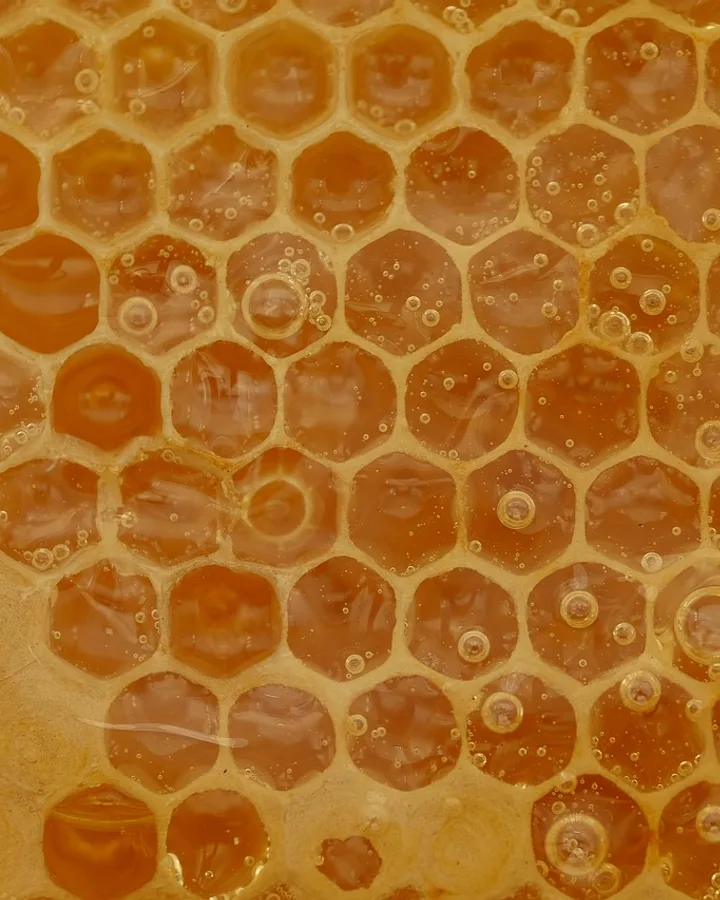
Ling honey is thixotropic. It sets to a jelly in the cell and will not come out of a spinning extractor at any speed — you either press the comb or you loosen the honey first with a needled roller and then spin it. We press. It is slower, it is messier, and it is why a 500 g jar of heather costs what a 454 g jar of bramble does not.
It also carries a lot of air, which is why the jar looks cloudy and why there are usually a few bubbles at the top. That is not a fault and it is not adulteration; it is what pressed heather looks like.
What we expect
If the weather holds we take the supers off in the third week of September. If it does not, we take them off anyway, because the colonies have to come down and be fed before the nights turn. Some years the whole trip yields four supers and the diesel.
Last year’s ling heather is still in the shop
500 g, pressed not spun, £11 a jar and £58 for a case of six.