A jar a month
The simplest way to eat through the season.
£12 a month £132 a year
- One 340 g jar every month, whatever came off the hives last
- A card with the apiary, the week and the forage
- Free tracked delivery
- Pause or cancel any time
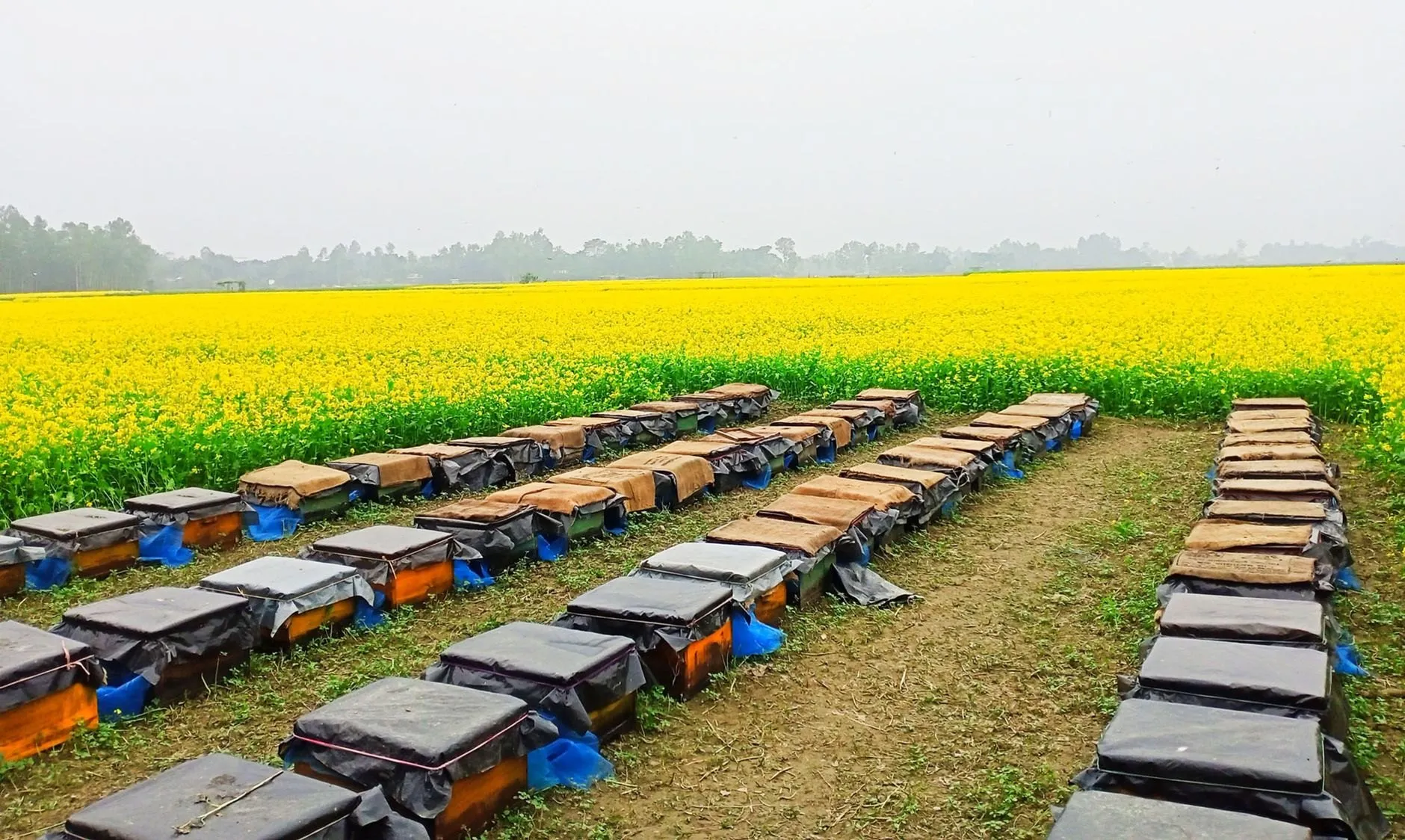
Keeping bees on the Somerset moor edge since 2009
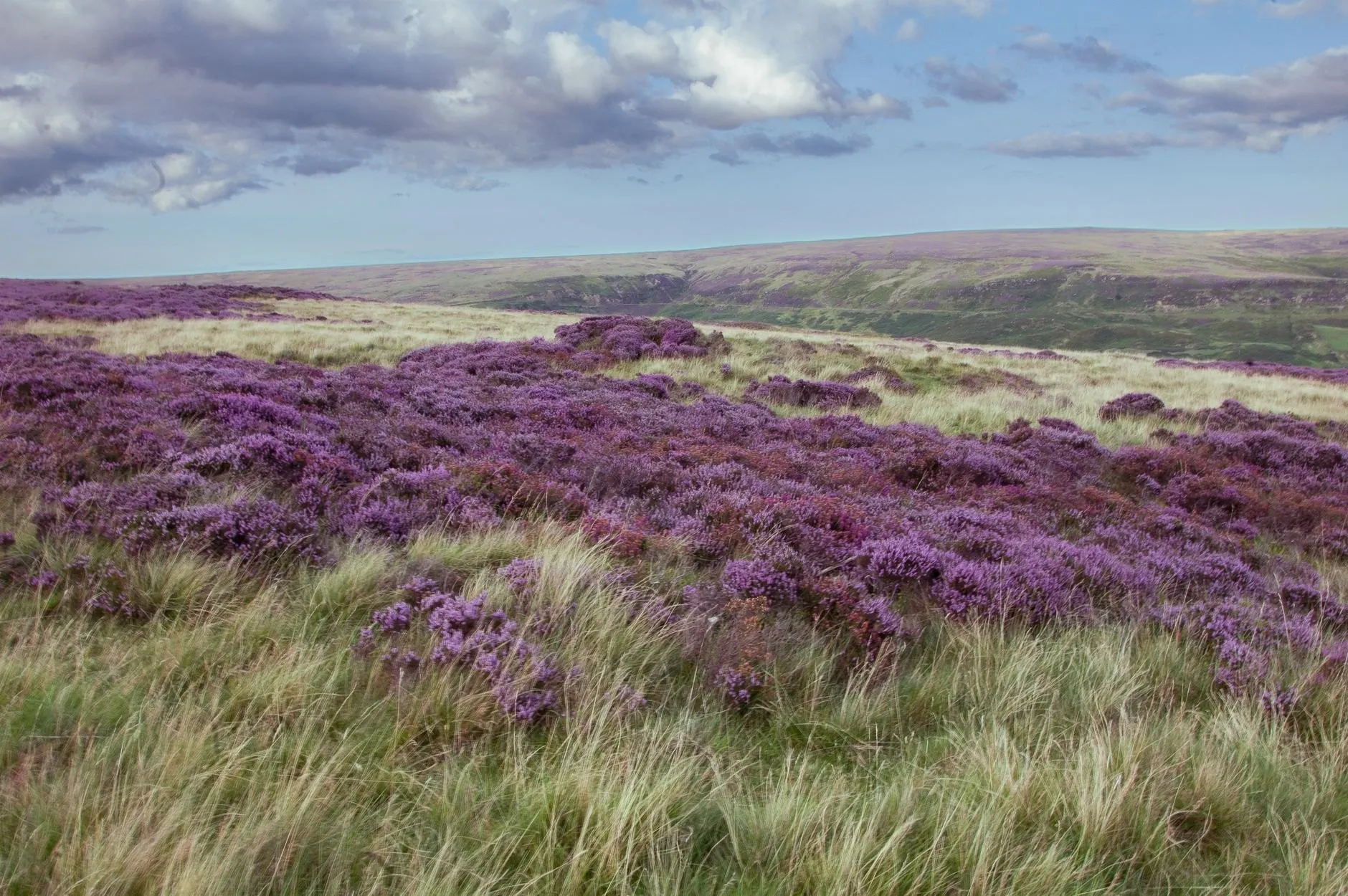
Raw, unblended honey from 124 colonies on heather, orchard and hedgerow. Every jar is labelled with the apiary it came from and the week it came off the hives.
Raw and unblended
Never heated above hive temperature, never mixed across apiaries. Each jar says which site it came from.
Same-day dispatch
Order before 1 pm and it leaves the honey house that afternoon, wrapped in kraft and wool, not plastic.
Arrives whole or free
If a jar reaches you cracked or leaking, send a photo and we send another. No return needed.
The shop
Four honeys, cut comb and two gift boxes. Everything ships from the honey house the day you order, wrapped in kraft paper and wool.
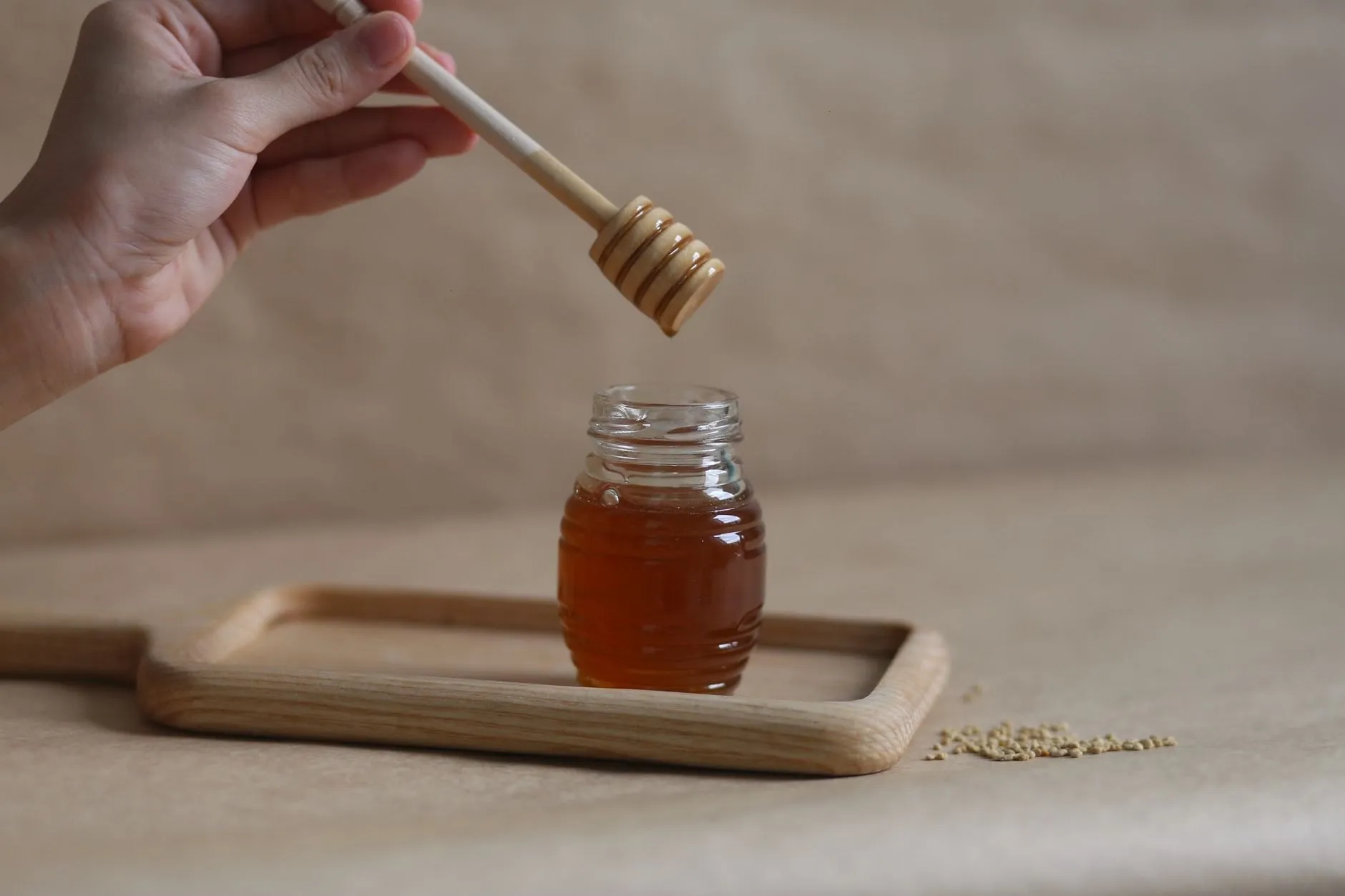
500 g jar · Keld Top, 412 m
£11
Limited: this season only
View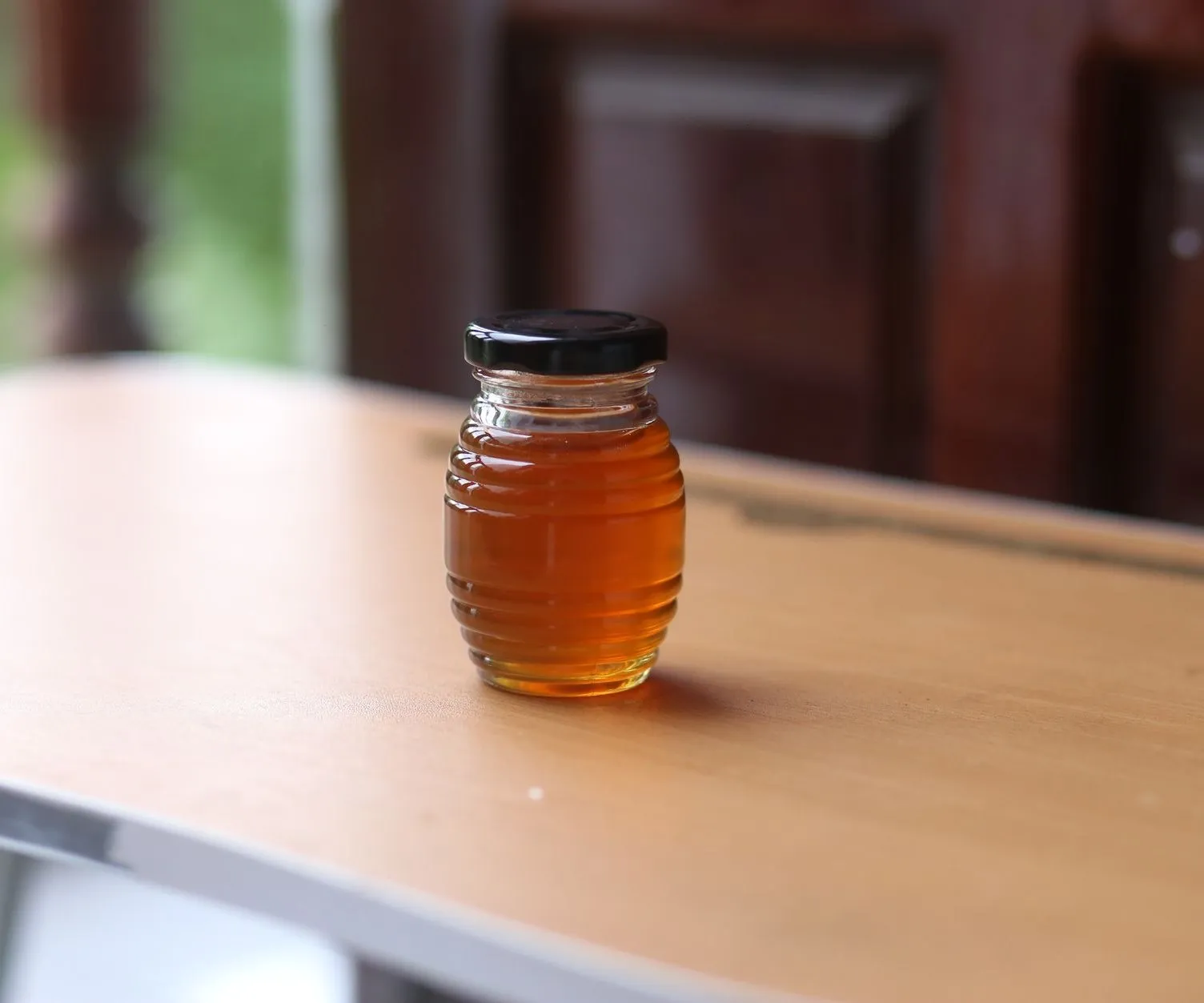
454 g jar · Gorse Bank and The Cutting
£8.50
In stock, ships today before 1 pm
View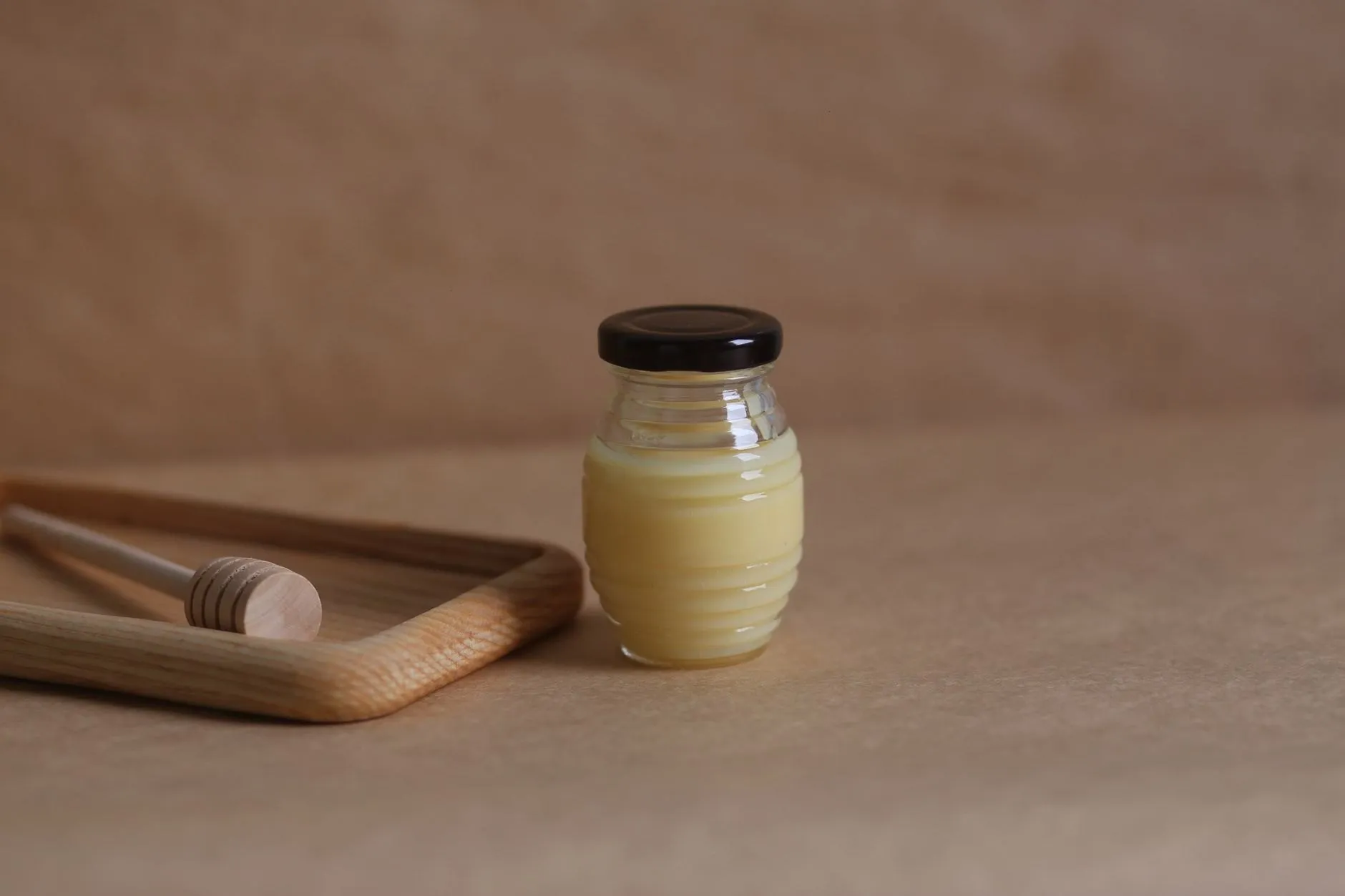
340 g jar · Low Leys and Thurlbeck Orchards
£6.50
In stock, ships today before 1 pm
View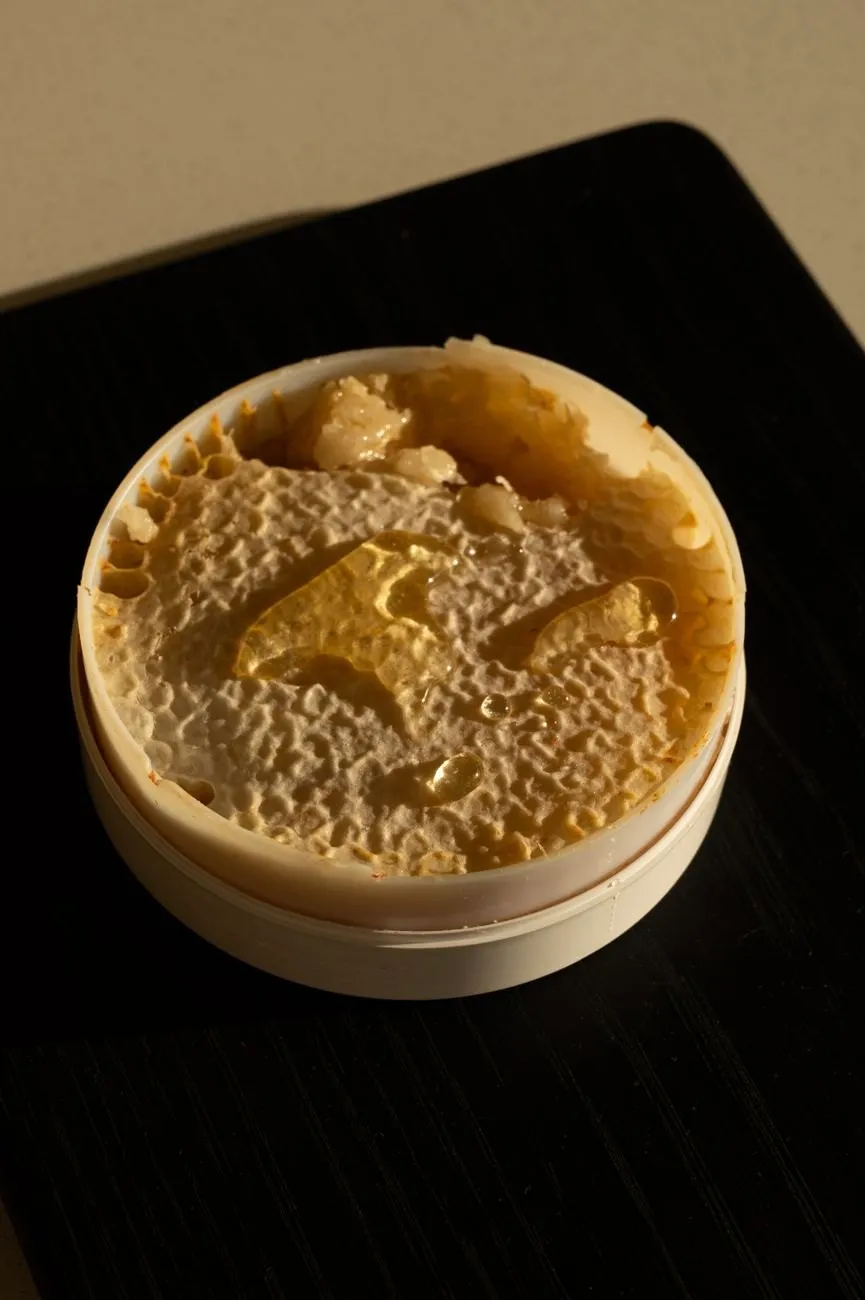
220 g box · Bracklow Plantation
£8.50
Limited: this season only
View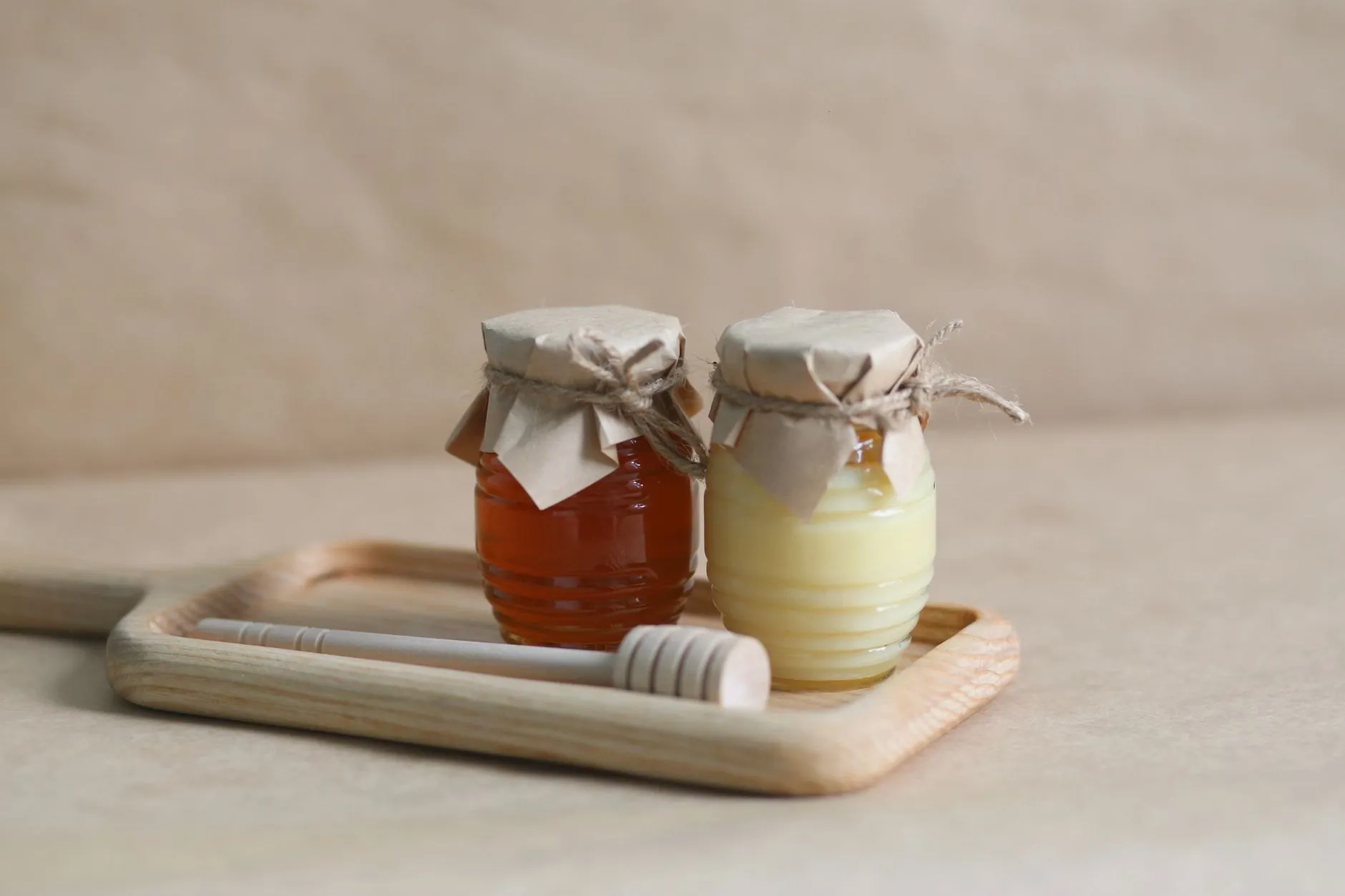 Gift box
 Two 227 g jars, dipper and oak tray · Keld Top and Low Leys
£24
In stock, ships today before 1 pm
View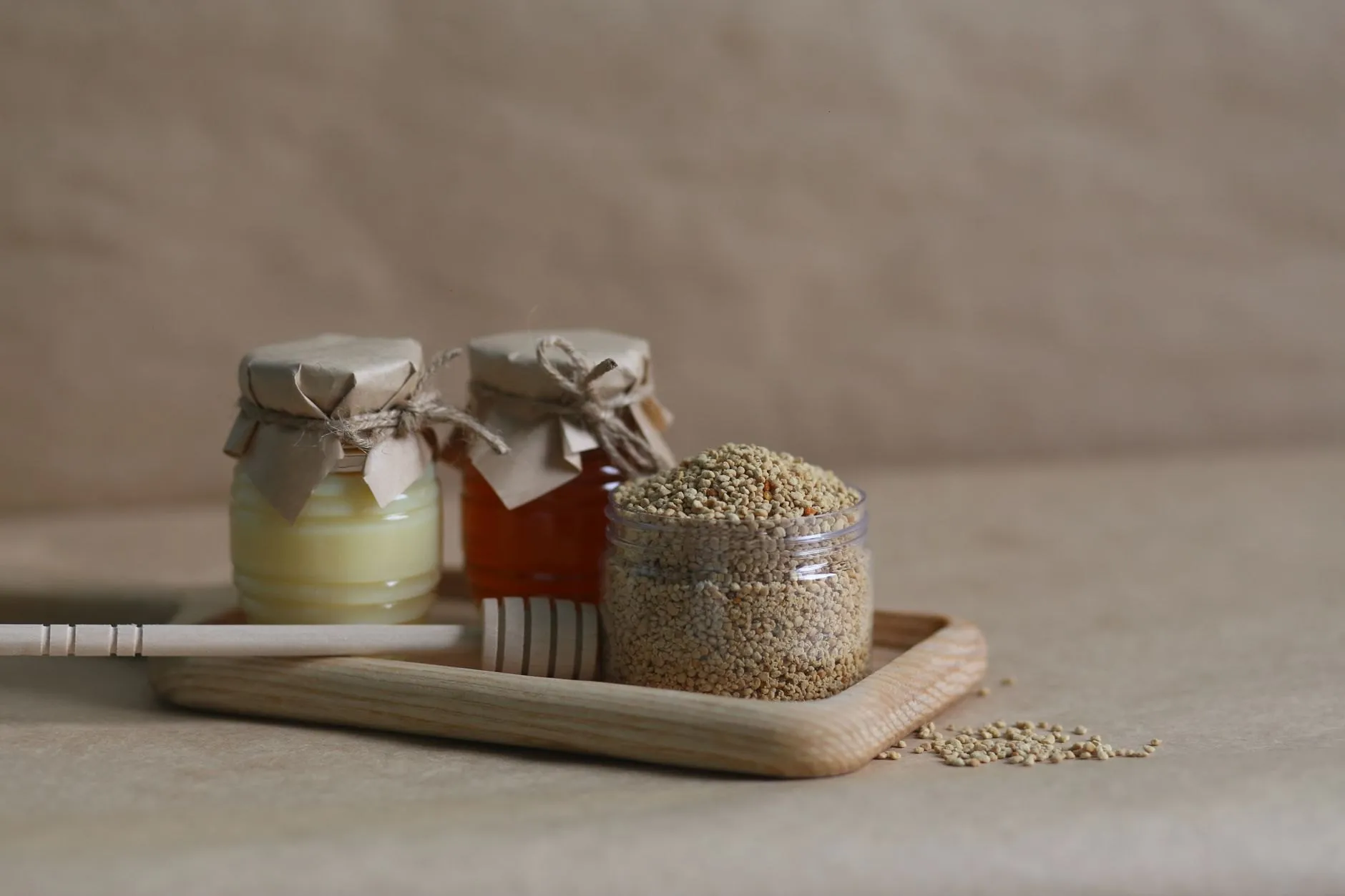 Gift box
 Three jars, bee pollen and a dipper · Four apiaries
£32
Pre-order, ships from 1 November
View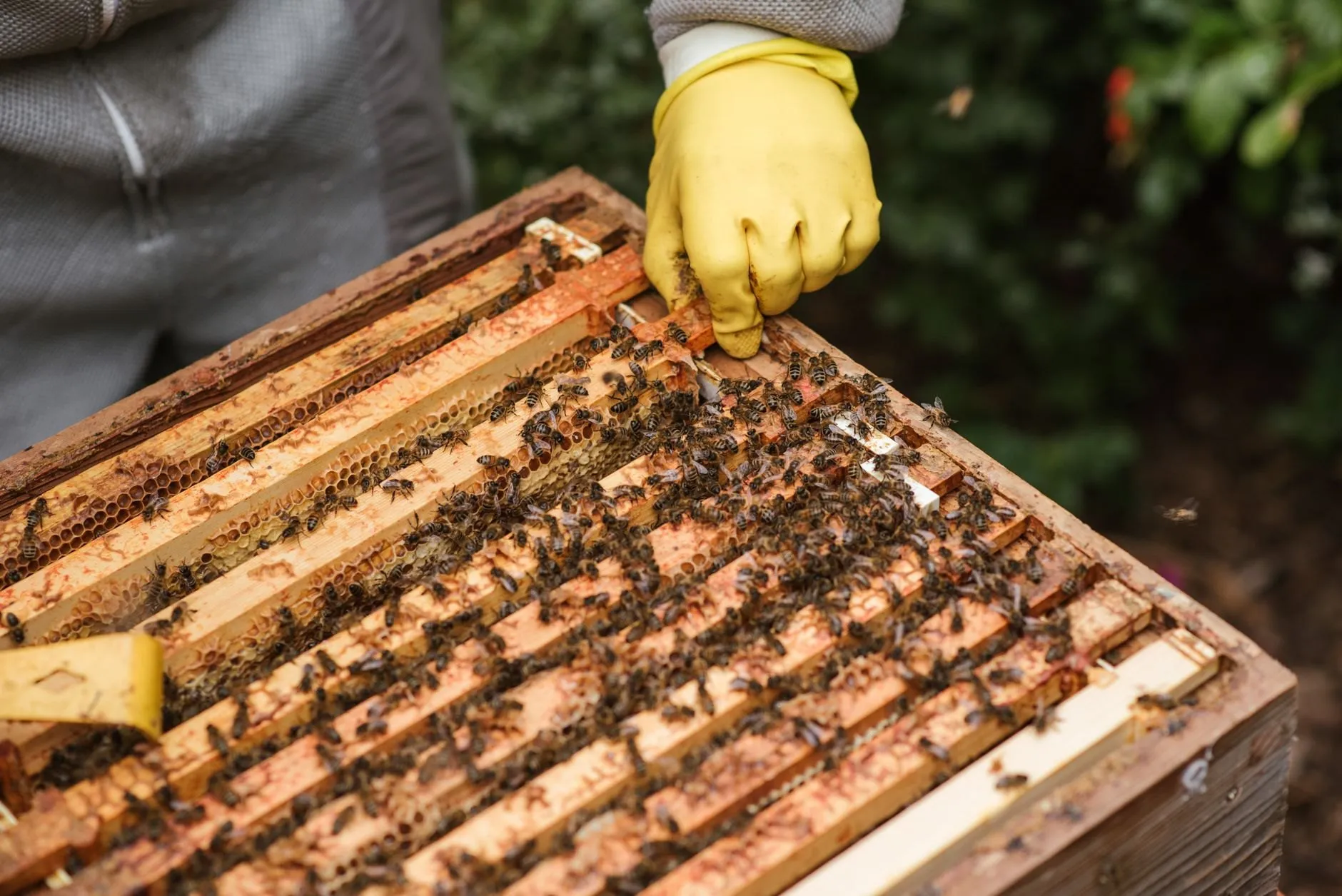
The honey house
Keldmoor is Tom and Hana Aske, a stone barn on Thurlbeck Lane and six apiaries within twelve miles of it. We keep every colony ourselves, extract in our own honey house and pack every order by hand.
Hive to jar
No blending, no heat, no fine filtering. The whole route from the hive to your cupboard runs through our own hands.
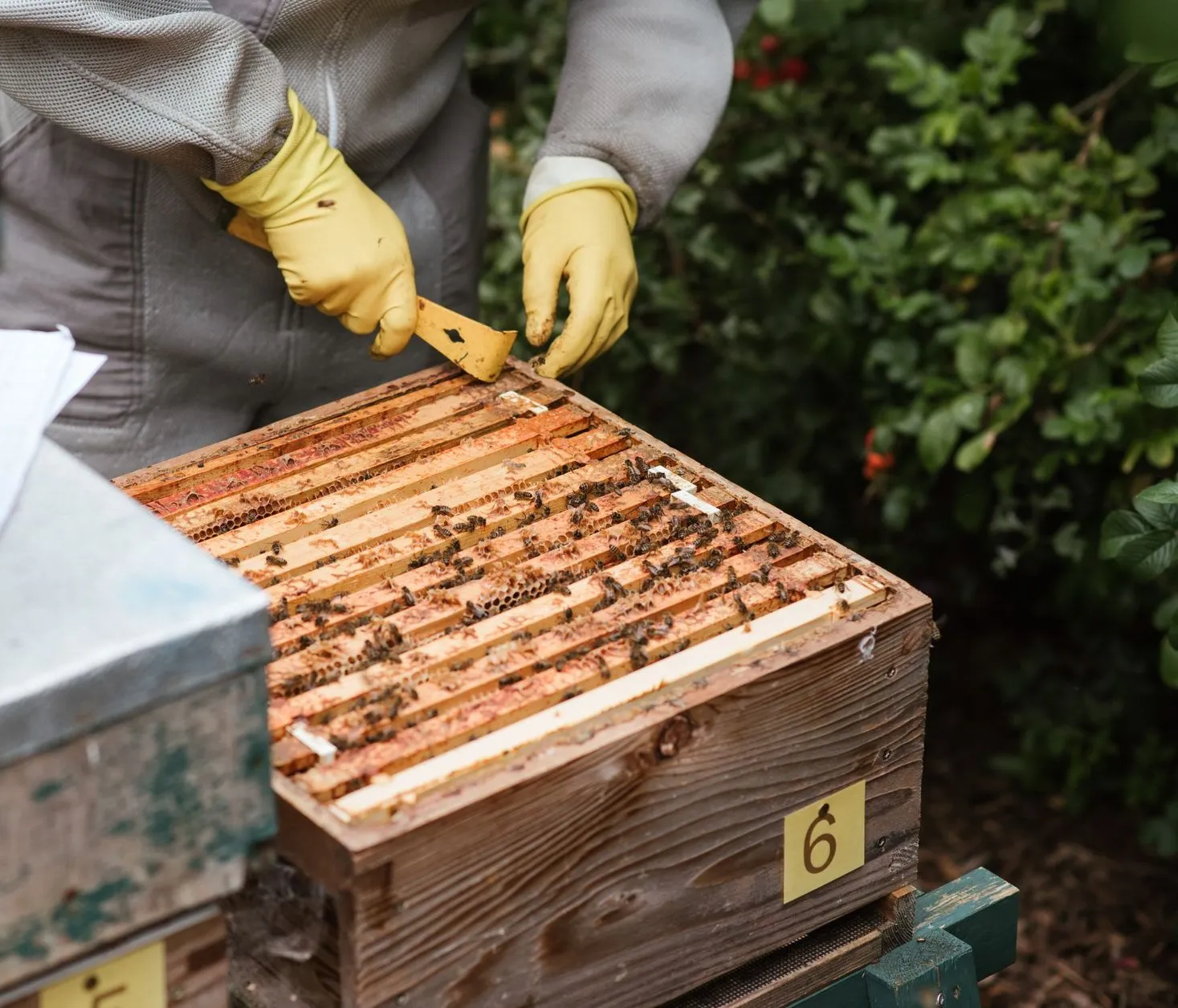
Worked by hand
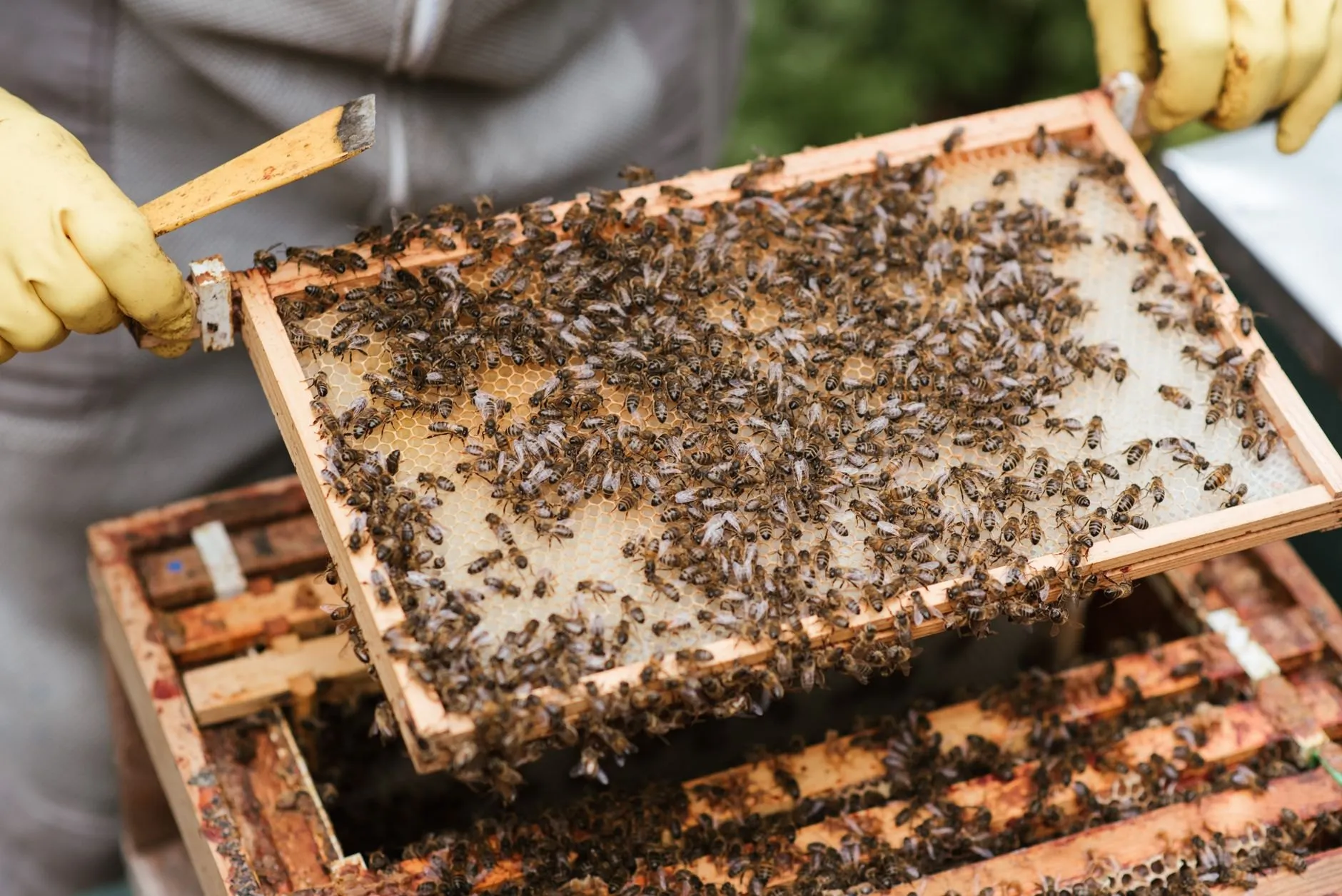
Every colony is inspected every nine days from April to August. We take only what the bees can spare.
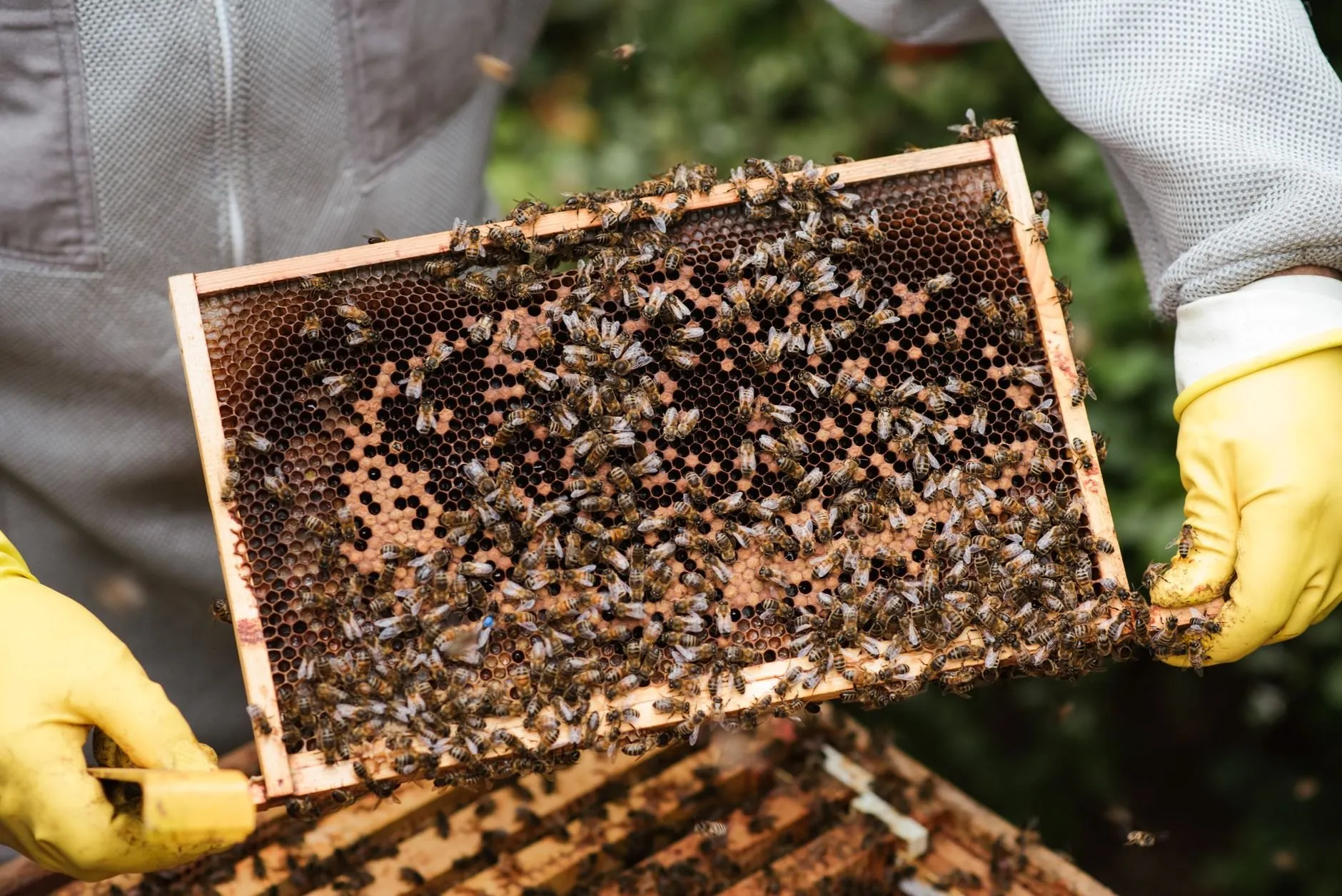
Lifted when capped
Frames come off when the bees have sealed the cells, so the honey is ripe and below 18 % water.
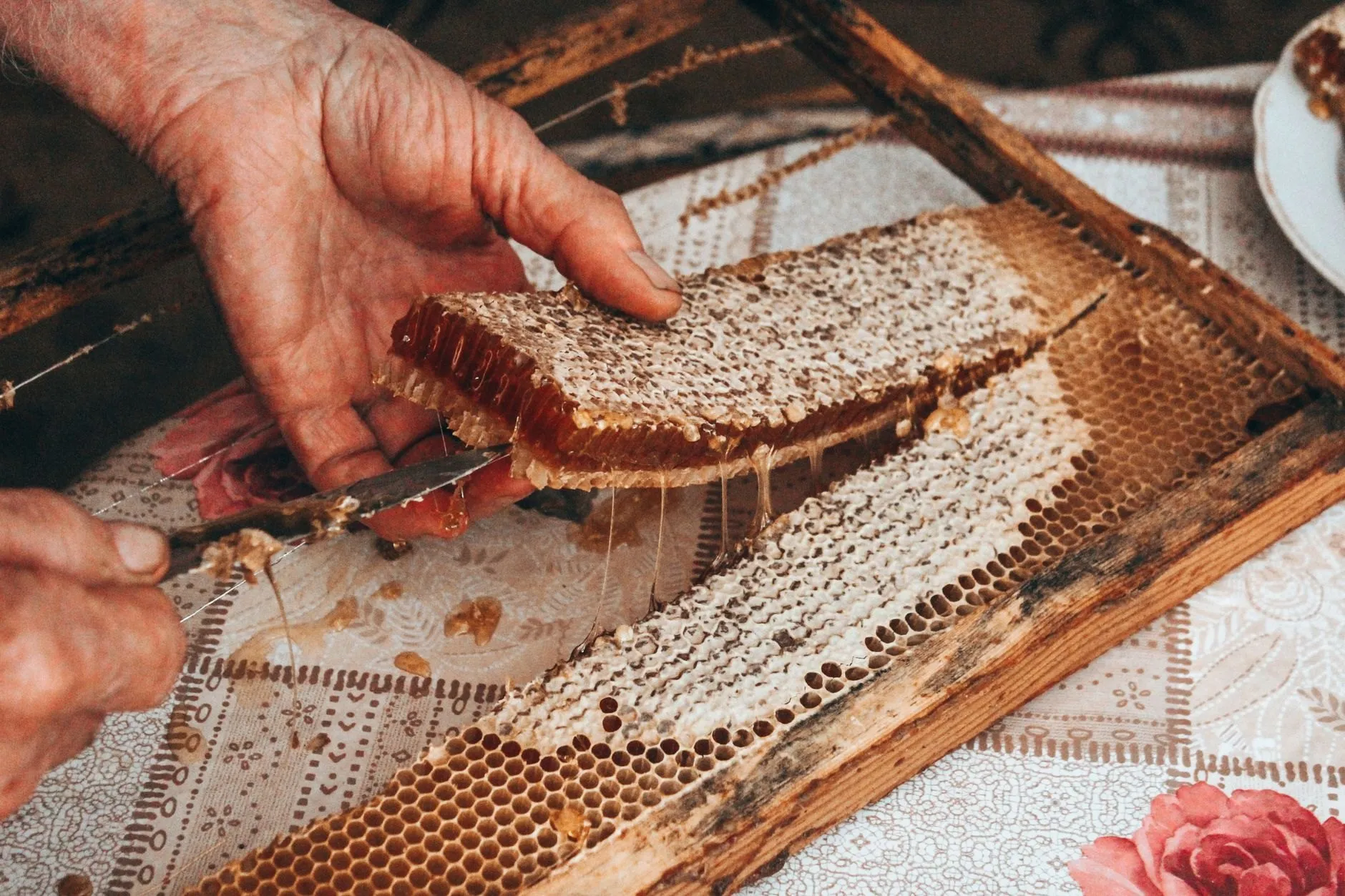
Spun or pressed
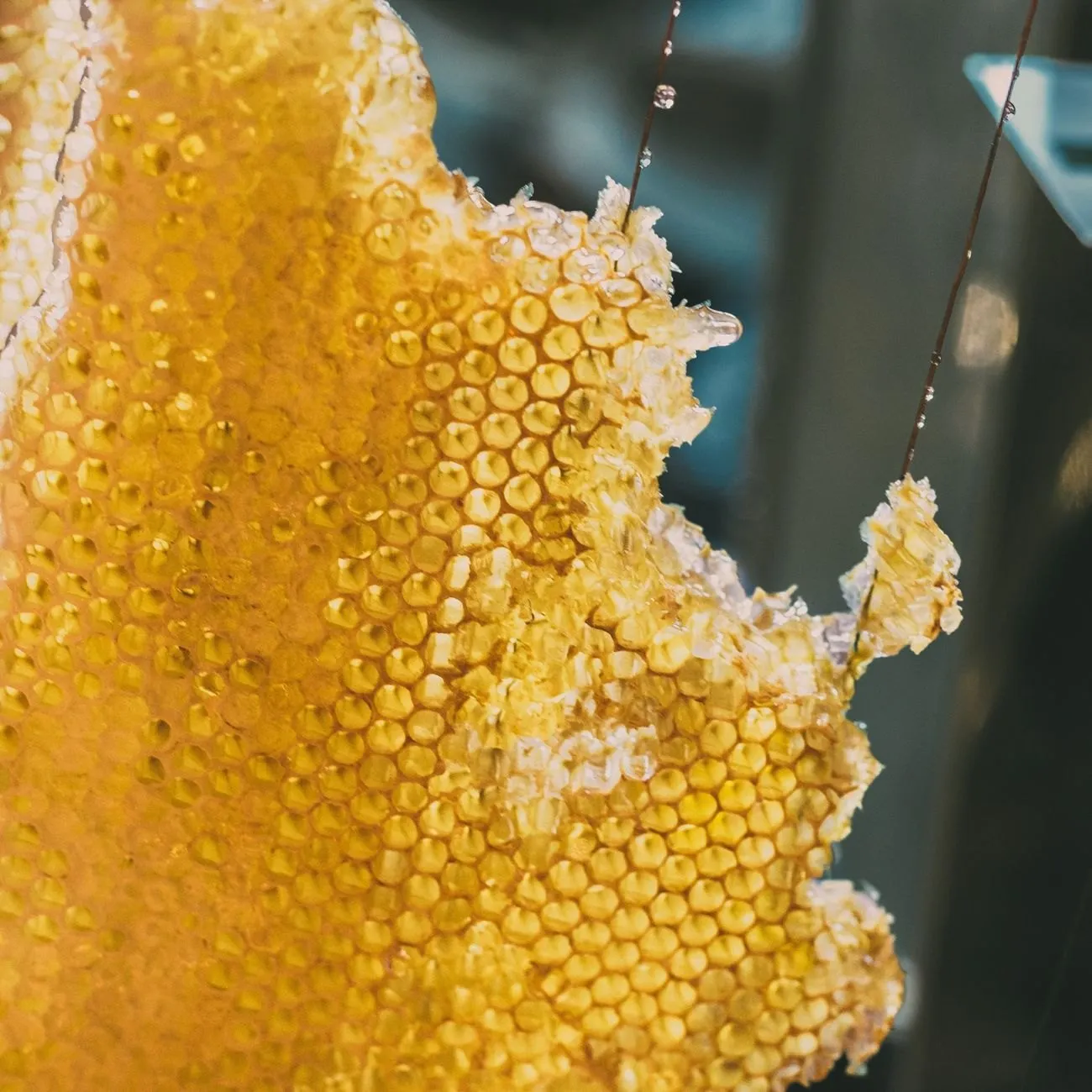
Most honey is spun cold. Heather is pressed out of the comb because it sets like a jelly in the cell.
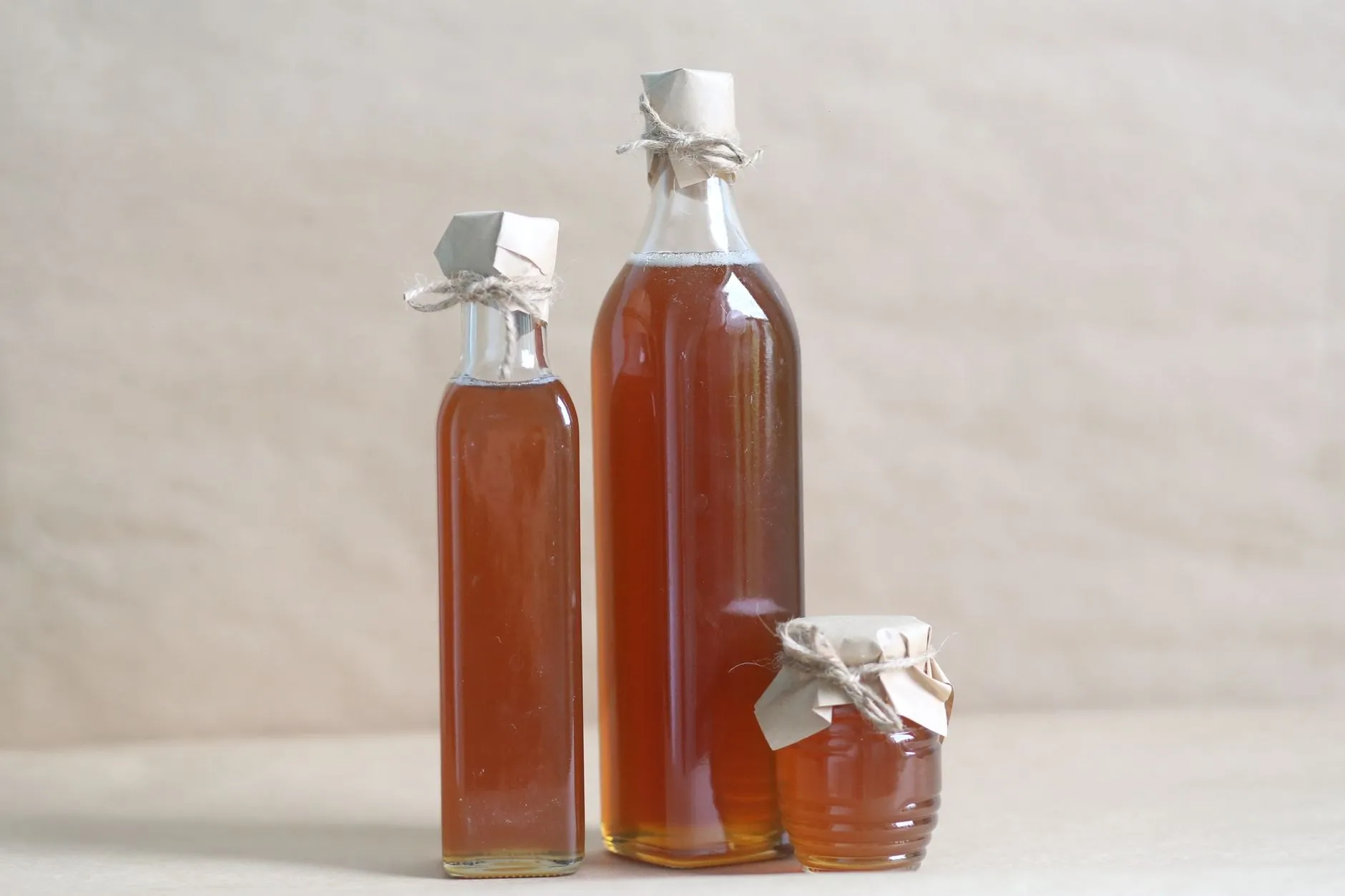
Jarred by apiary
Settled for a week, jarred by hand and labelled with the site and the week it came off the hives.
For growers
We rent strong colonies to orchards, soft-fruit farms and arable growers across Somerset. Pick your crop, enter the acreage and you have a season price in seconds.
The honey club
A subscription that follows the season: spring honey in May, the summer take in August, heather in October. Pause or cancel whenever you like.
The simplest way to eat through the season.
£12 a month £132 a year
Most chosen
For households that get through honey properly.
£24 a month £264 a year
Your own colony, and everything it makes for you.
£39 a month £429 a year
Why raw honey costs more
Most honey on a supermarket shelf has been heated so it stays clear and filtered so you cannot tell where it came from. Here is the same jar, described honestly.
From our customers
“The heather honey is the only one my father says tastes like the hills he grew up on. It arrives set like a jelly, exactly as the note in the box said it would.”
“Eight colonies on our Bramleys for three weeks, weekly inspection sheets in my inbox, gone the morning after petal fall. Our set was the best in six seasons.”
“I send the Moor Pair box to every client at Christmas. Wrapped beautifully, no plastic, and it lands on the day they promise.”
Journal

From the honey house · 2 September 2026
Ling heather honey sets to a jelly inside the comb. Here is what that means for the colonies, the honey house and the price on the jar.
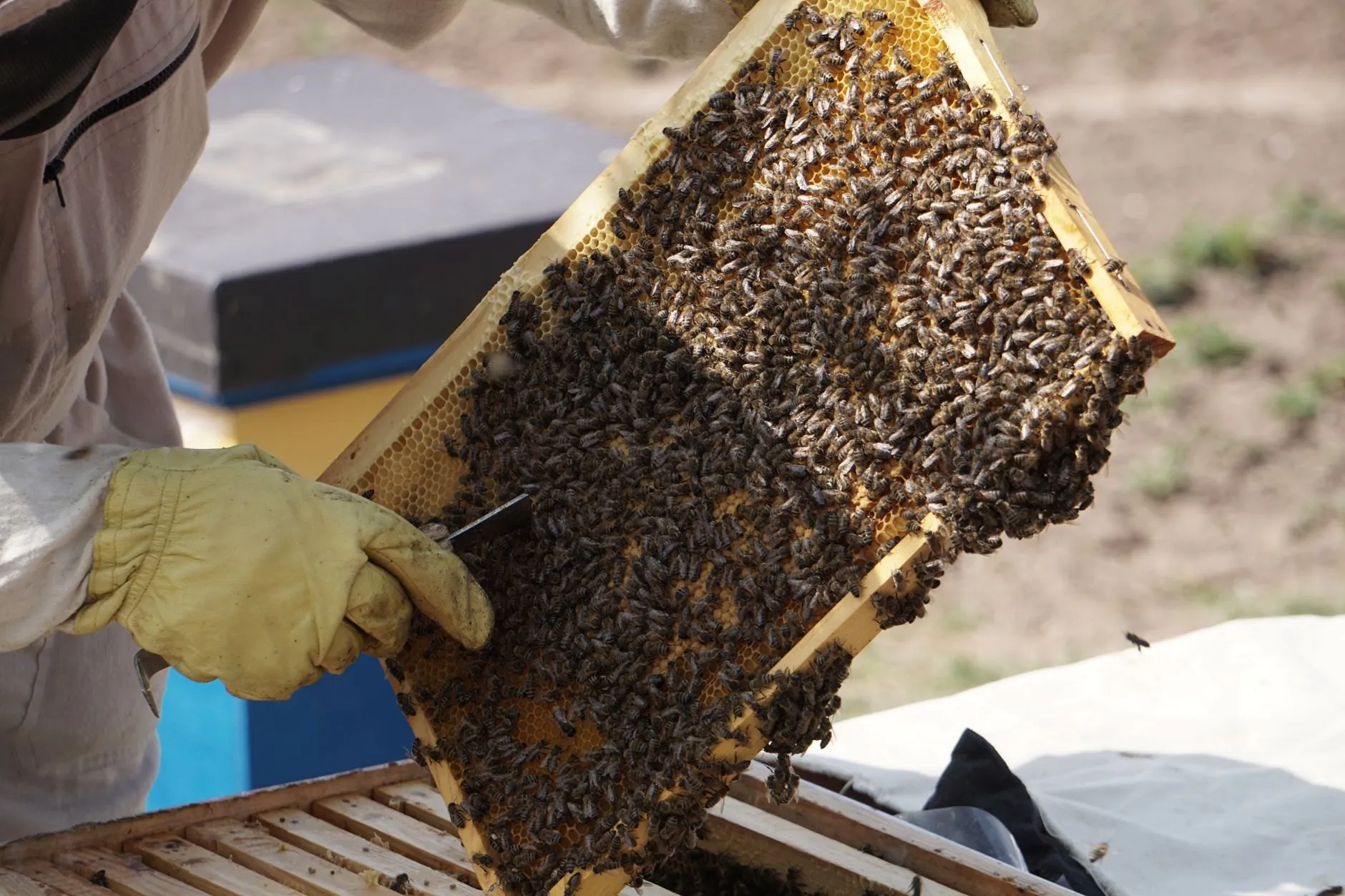
For growers · 10 March 2026
One colony an acre is the rule of thumb for top fruit. Here is when to go higher, when to go lower, and when to have them delivered.
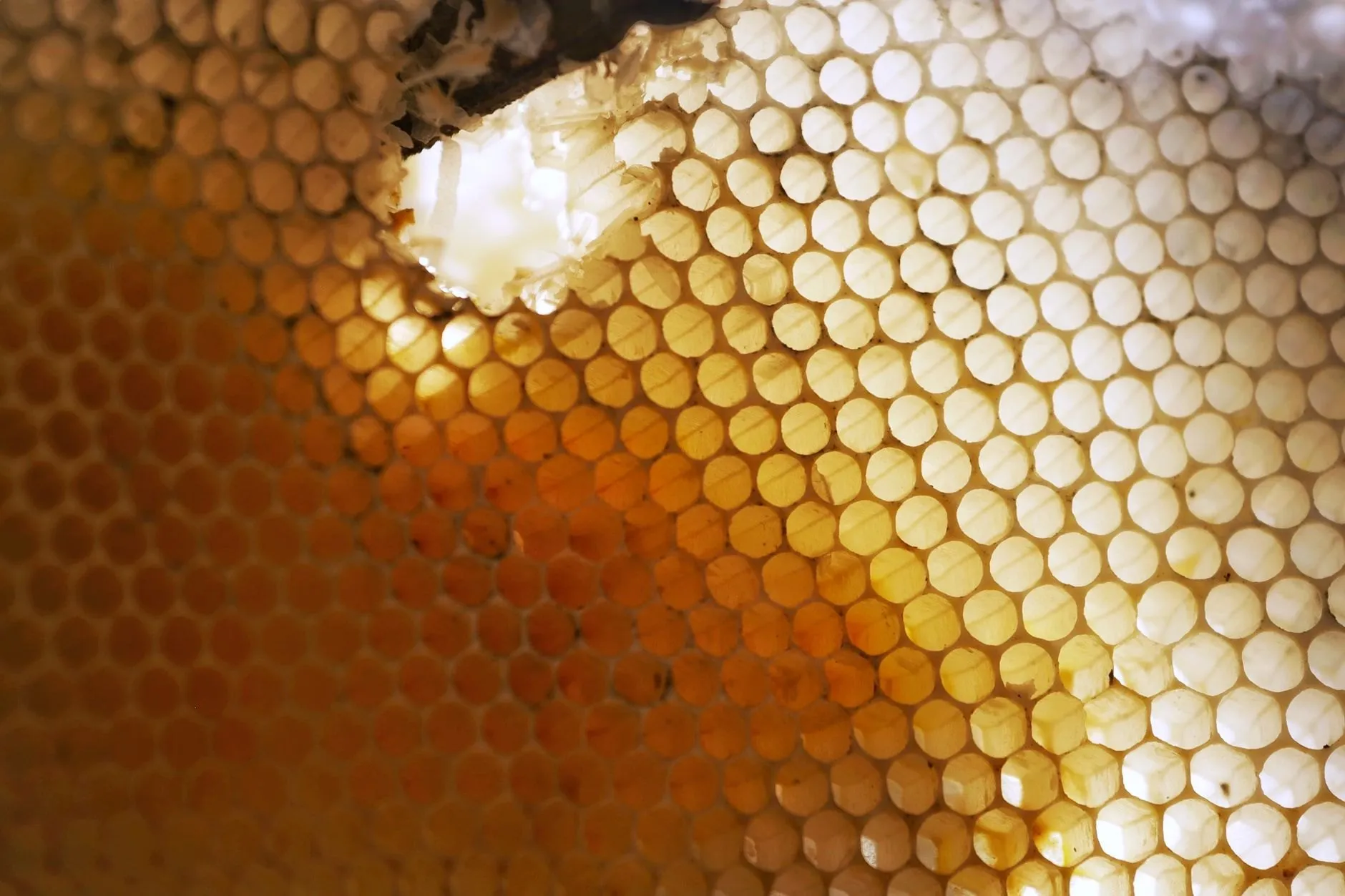
Kitchen notes · 14 January 2026
Solid honey is not old honey. Granulation is what raw honey does, and twenty minutes in warm water puts it right.
Questions
Anything else, write or ring. The phone is answered in the honey house.
Yes. It is spun or pressed from the comb, passed once through a coarse stainless strainer and jarred. It is never heated above 35 °C, the temperature inside the hive, and never fine-filtered, so pollen stays in.
That is granulation, and it is a sign of raw honey, not a fault. Stand the jar in warm (not hot) water for twenty minutes and it runs again. Heather and ivy set on purpose and are meant to stay that way.
Orders placed before 1 pm on a weekday leave the same day by tracked post. Delivery is £4.50 anywhere in mainland UK, and free on orders over £35.
Any time, from the link in every dispatch email. There is no minimum term. Pause for a month while you are away and the next jar simply waits for you.
Up to 40 miles from Thurlbeck with delivery and collection included. Further than that we charge £1.20 a mile each way, and quote it before you book.
The shop is open Thursday to Saturday, 9 to 4, and you can taste every honey on the counter. Apiary visits run on summer Saturdays for honey club members.
Order before 1 pm and your honey leaves the honey house this afternoon. If a jar arrives damaged, we send another.