Our story
It started with two hives and a borrowed extractor.
Keldmoor is Tom and Hana Aske. We have kept bees on the Somerset moor edge since 2009, and we still lift every frame ourselves.
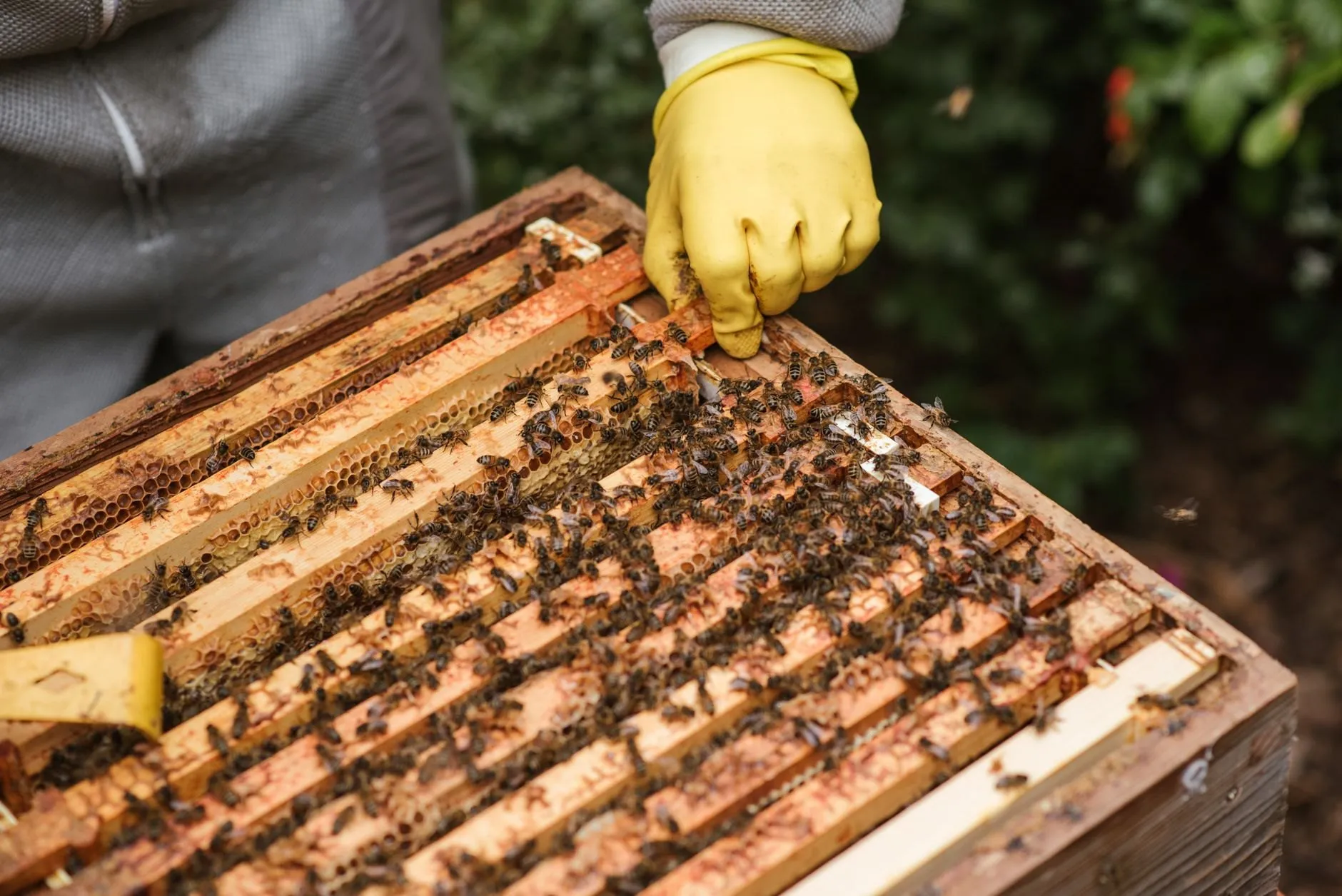
Tom was a hedge-layer and Hana taught chemistry. The first two colonies were meant to pollinate a vegetable garden. By the third summer there were twelve, the kitchen floor was sticky from July to September, and the neighbours had started asking to buy the honey.
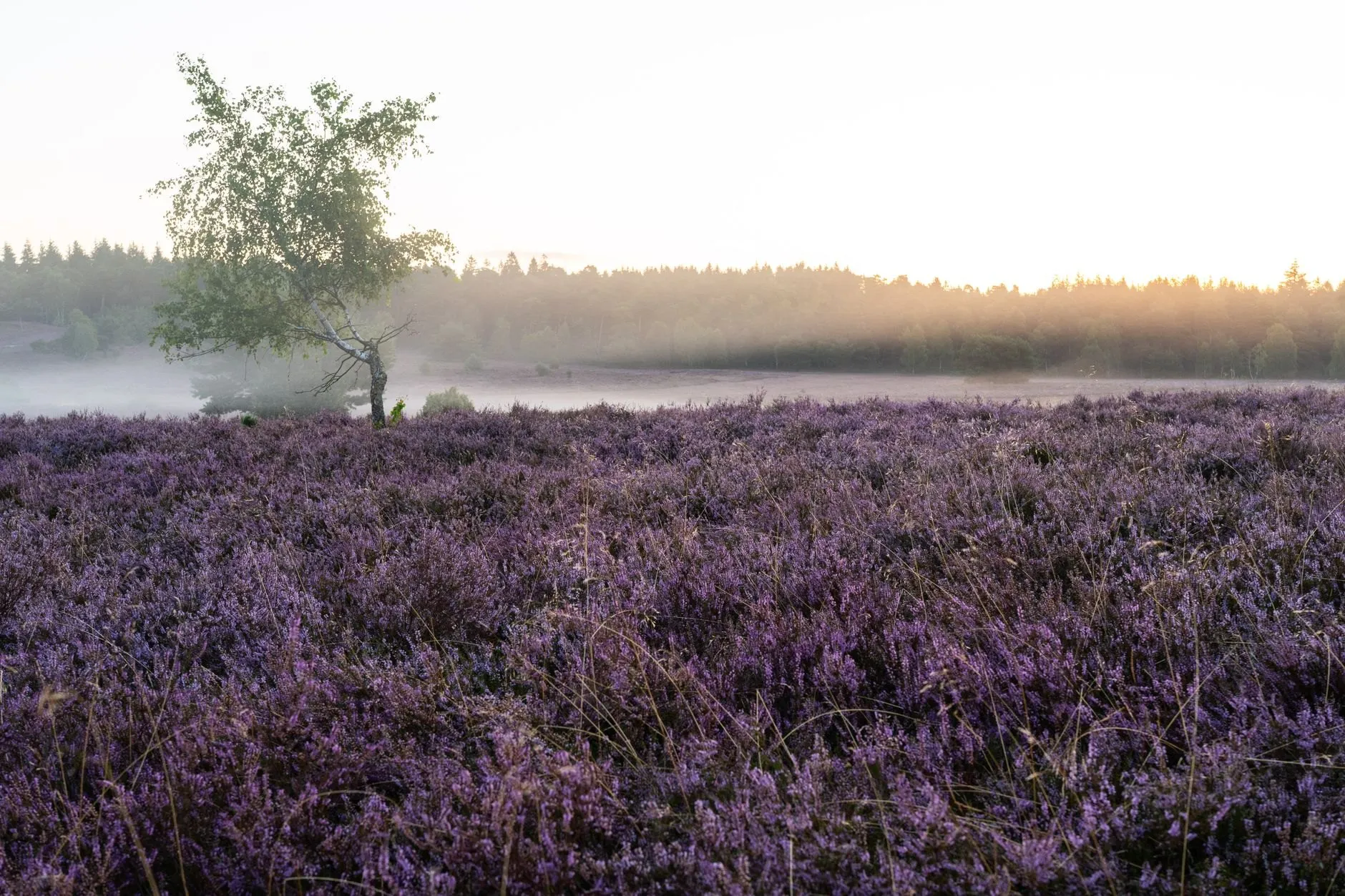
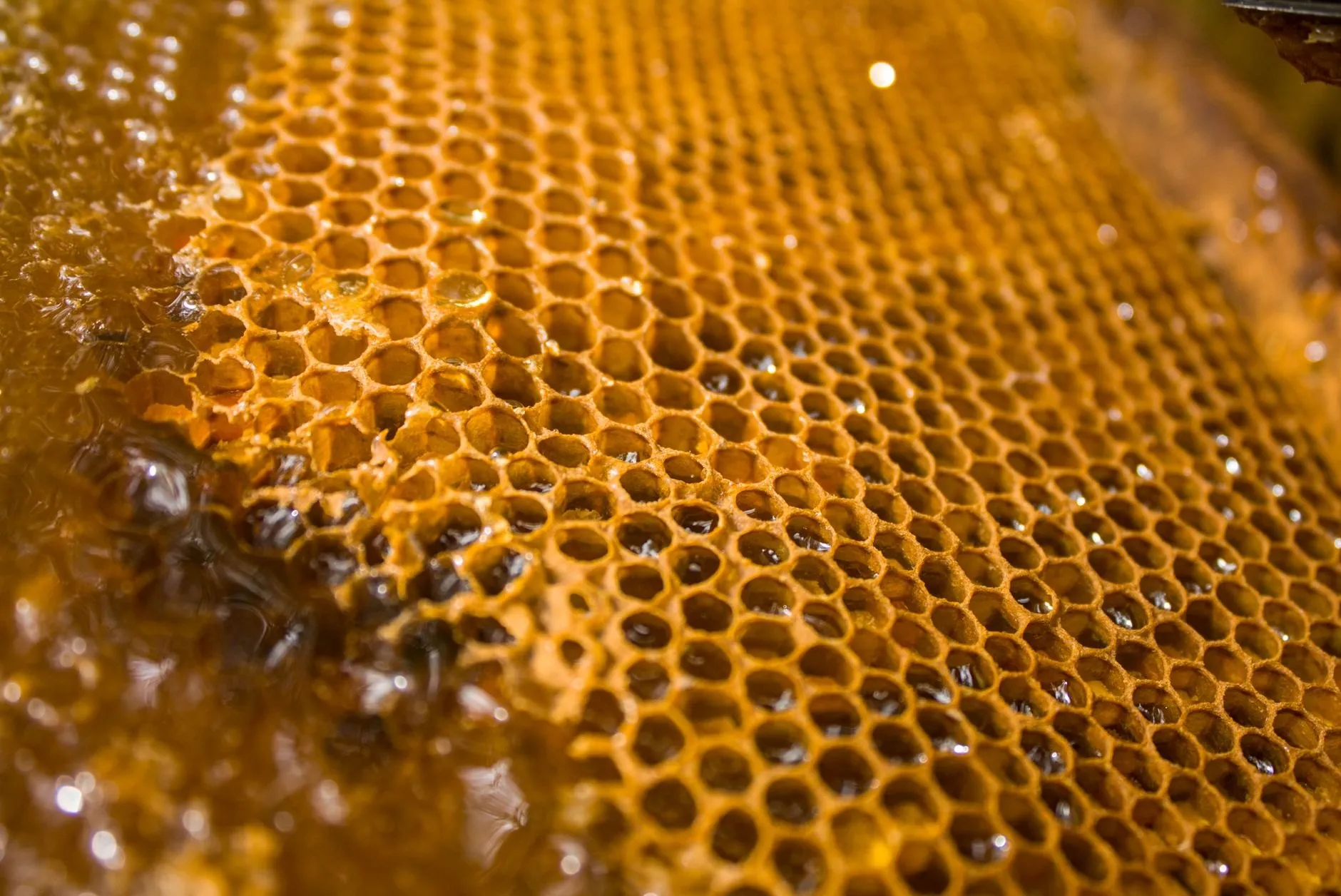
What changed everything was the moor. In 2013 a farmer at Keld Top let us put twenty colonies on the heather for August. The honey that came back was nothing like anything we had jarred before: dark, thick, set like a jelly in the comb. We had to learn to press it, and we have been pressing it every September since.
Today the honey house is a converted stone barn with a cold press, two extractors and a settling room. It is still just the two of us, with help from Hana’s brother in the busy weeks. Every colony is inspected by one of us, every jar is filled by hand, and every order is packed on the same bench.

Along the way
17 seasons on the moor edge
-
2009
Two hives in a Thurlbeck back garden, bought with a wedding present.
-
2013
Forty colonies, the first heather crop from Keld Top, and a borrowed extractor in the kitchen.
-
2017
The stone barn on Thurlbeck Lane becomes the honey house. The shop opens on Thursdays.
-
2021
The first pollination contracts, for two orchards in the Chew Valley.
-
2026
124 colonies, six apiaries, and a honey club that ships all year.
What we will not change
Three rules we have never broken
-
Take only the surplus
Colonies go into winter on their own honey, not on sugar syrup. We take what they do not need.
-
Never blend
Each apiary is extracted and jarred on its own, so what you taste is one place and one fortnight.
-
Keep it cold
Nothing is heated above hive temperature. That is what keeps the smell, the enzymes and the pollen.
Come to the honey house.
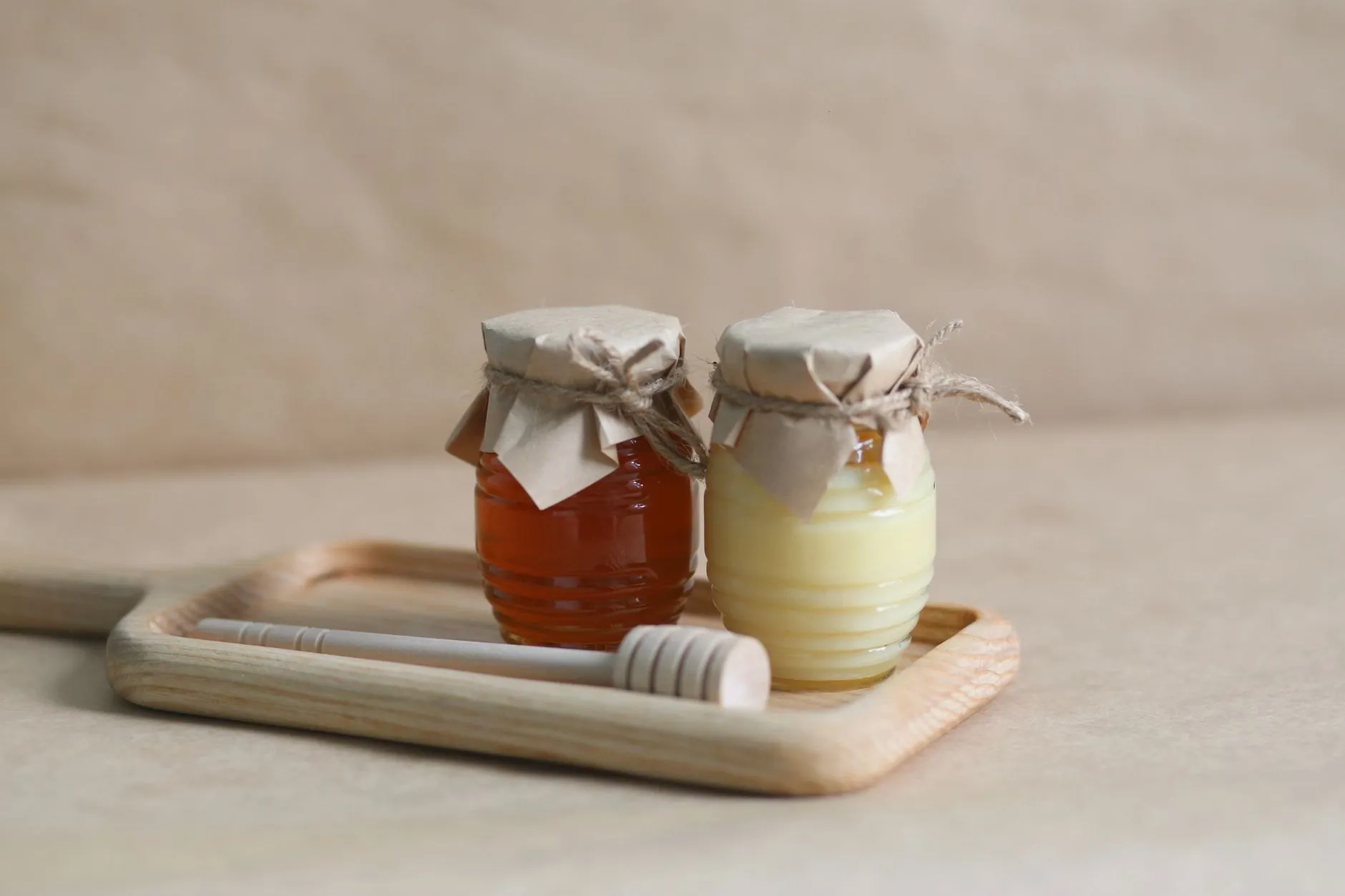
Shop open Thursday to Saturday, 9:00–16:00. Taste everything on the counter before you choose.