The rape came off in nine days, which is eight more than we wanted
Oilseed rape granulates in the comb faster than any other crop we take. What happens if you leave it, and why the jar is soft-set and never runny.
The forty colonies at Low Leys came off the rape on the ninth day after the field went over. That is cutting it fine and everybody who keeps bees near arable ground knows why.
Rape sets in the comb
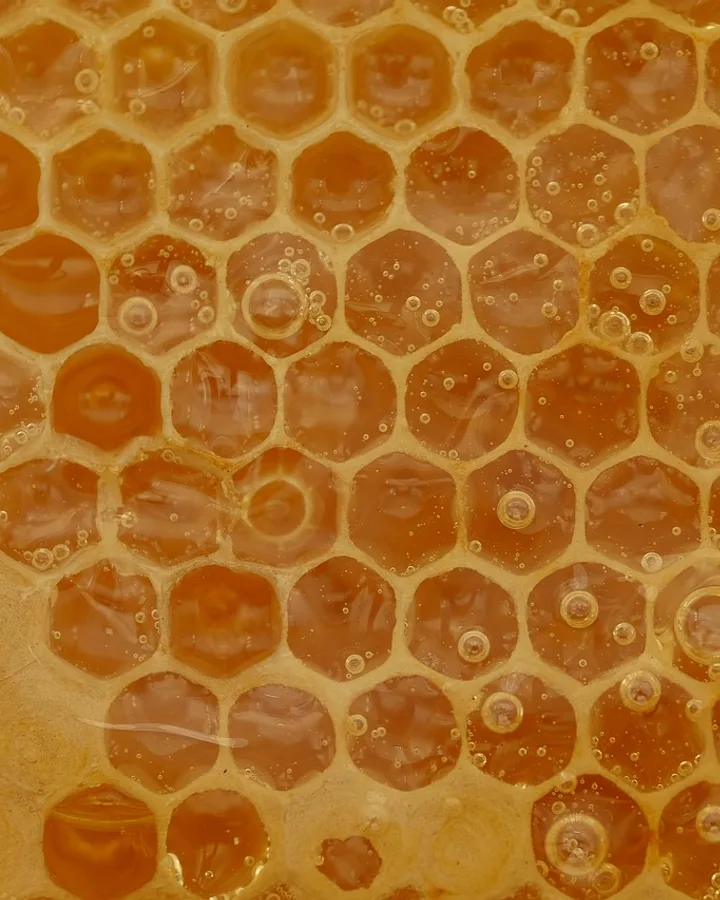
Rape honey has a very high glucose fraction, and glucose is the sugar that crystallises. Left on the hive it goes solid inside the cells within a fortnight or so — and once it is solid, an extractor will not shift it at any speed. You are left with a super of set honey that has to be soaked out, melted out, or given back to the bees.
Waiting for it to be fully sealed
Rape is often only two-thirds sealed when it has to come off, because it granulates faster than the colony finishes capping it. Waiting for a full super of cappings on a rape crop is how people lose the crop. Test the open cells instead — if they are under 18.5 % it is ripe whether the bees have sealed it or not.
Why the jar is soft-set
Since it is going to set anyway, we set it deliberately. The honey is seeded with a fine-grained starter, stirred cold for three days and jarred while it is still just pourable. It finishes in the jar and comes out as a smooth spread rather than a jar of grit.
That is a process, not an additive: the starter is our own rape honey from the year before, and nothing else goes in.
What it tastes of
Not much, honestly, and that is the point. Very pale — 8 mm on the Pfund grader, which is water white, the lightest thing we jar. Mild, clean, and it does not fight anything you put it on. It is the jar that gets finished first in most houses.
Soft-set rape, this spring’s crop
340 g, £6.50 a jar, £35 the case of six.